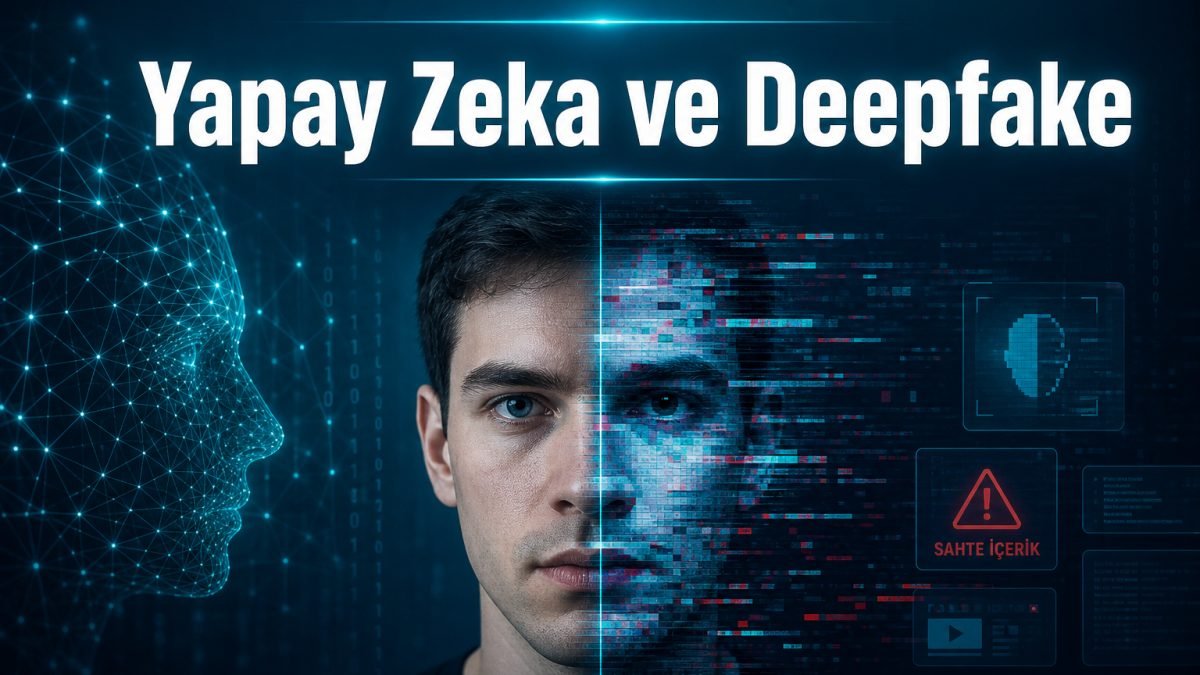
Artificial intelligence now writes text, creates images, imitates voices, and edits video. Most uses are helpful: homework research, projects, learning. But there are also fake images and voices called deepfake. A video or voice you see online and think is real may actually be made up.
This article is the ninth part of our Mindful Internet and Technology series. Our goal is not to reject AI; it is to teach how to tell real from fake.
Remember: Not every video or voice you see online may be real. Before you share a shocking image, check the source. If you are not sure, ask a trusted adult.
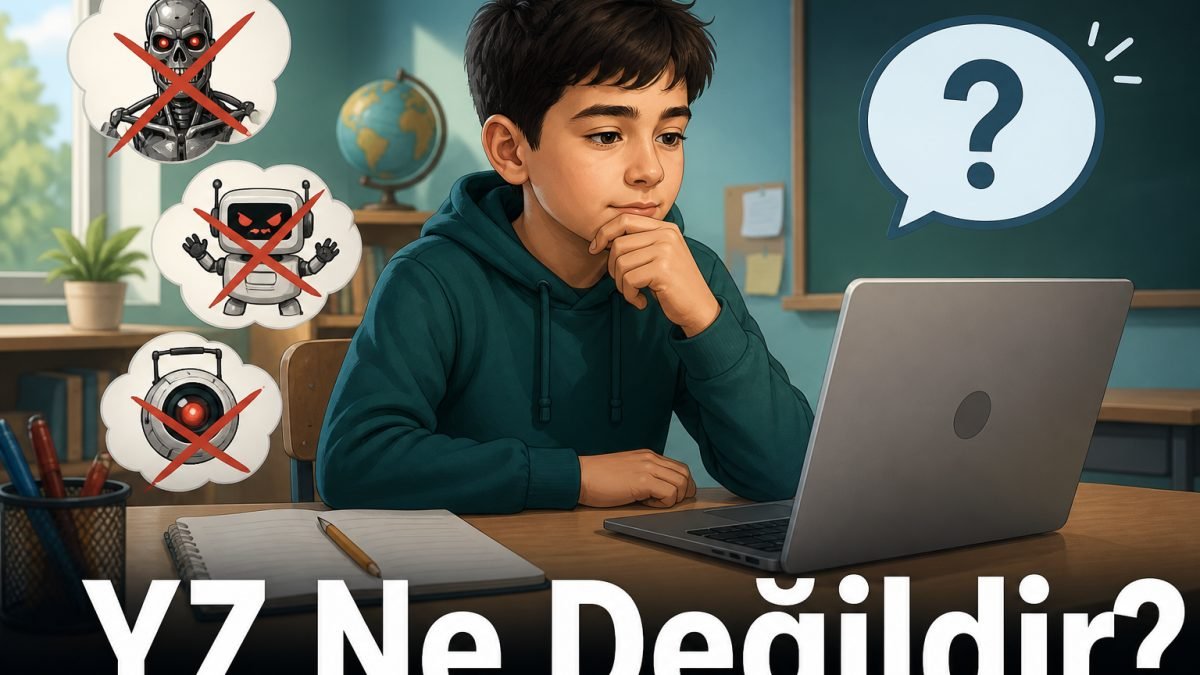
What is AI, and what is it for?
Artificial intelligence is technology that helps a computer learn and create more like a human. You can use it at school and in projects:
- Finding errors while writing code
- Asking it to explain a topic in a different way
- Developing a project idea
- Language translation and correction
But AI does not always tell the truth. It can invent information. Use it as a check tool beside your teacher or source books.
What is a deepfake?
A deepfake places a person's face or voice into another video or audio to produce fake content. It can be a video that looks like a celebrity is speaking, or a call that uses someone you know's voice.
| Type | What do you see? | Risk |
|---|---|---|
| Fake video | Words someone never said seem to come from their mouth | False information, damaged reputation |
| Fake voice | A phone call or message with a familiar voice | Scams, fear |
| Fake photo | An image that looks real but was generated | Misleading people, bullying |
| Fake news | A false text written with AI | Panic, wrong decisions |
When should you get suspicious?
- Do the lip movements match the sound exactly?
- Is the video very blurry, or is the lighting strange?
- Is the source not an official news site you know?
- If you are not sure it is true just because "everyone is sharing it," do not share
- If the claim is very shocking, check twice
Examples close to real life
1. Viral fake video
A video of a celebrity saying words they never said is spreading on social media. Everyone is sharing it.
Before you share, search the source. Check whether it is on an official account or a trusted news site.
2. Fake voice call
A call that sounded like your mother said: "Send money right now." But the sentences felt strange.
Hang up, then call your mother on her real number. Voice-clone scams are increasing.
3. AI for homework
You had AI write the whole assignment. When the teacher asked, you could not answer.
AI is a helper, not a replacement for homework. Use it to learn; do not copy and paste.
4. Mockery with a fake photo
Someone's face was pasted onto another image and shared in class.
That is bullying. Do not share it, report it, tell a trusted adult.
5. Wrong info from "AI said so"
You asked AI a health question and got a wrong answer.
On serious topics use a doctor, teacher, or trusted source. AI is not always right.
Use AI the right way
- Use it as a helper for homework, not a copy tool.
- Check the text and images it produces.
- Do not change someone else's photo with AI (permission and ethics matter).
- Verify suspicious content before you share it.
A short note for parents: Instead of banning AI, talk about how to use it responsibly. Clarify with school rules which assignments allow help and which make it unethical.
What is next?
In the final part of the series we will cover a parent summary: digital rules at home.
Knowing the difference between real and fake is one of the most important skills of the digital age.